Product and Industrial Design – From Idea to Real Product
How product and industrial design help with product development, 3D modeling, prototypes, visualizations, and preparation for manufacturing.
Product and Industrial Design – From Idea to Real Product
The development of a new product begins long before its manufacturing. Before there's a ready prototype, mold, packaging, or series production, a clear concept is needed — what the product looks like, how it's used, what materials it can be made from, and how it will be perceived by future customers.
This is precisely where product and industrial design play a key role. They connect the idea with its actual realization — through form, function, ergonomics, 3D modeling, visualizations, details, and preparation for the subsequent stages of production and market presentation.
What is product design?
Product design is the process of creating and developing new products. It is not limited solely to the product's appearance. Well-developed product design integrates form, function, ease of use, materials, structural logic, manufacturability, and visual presentation.
A product must not only look good but also be understandable, convenient, practical, and suitable for manufacturing. Therefore, product design is important both when creating new products and when improving existing ones.
What is the difference between product, industrial, and manufacturing design?
In practice, the terms product design, industrial design and manufacturing design often overlap.
Product design is the more understandable and widely used term when we talk about creating new items, accessories, enclosures, packaging, or consumer products.
Industrial design is usually associated with a more technical and professional process — when the product must be not only visually appealing but also functional, ergonomic, and aligned with actual manufacturing.
Industrial Design is a term often used in a more formal, legal, or administrative context, especially when referring to the appearance and design protection of a product.
For businesses, what matters most isn't the name itself, but the outcome — a clear, well-conceived, and professionally presented product.
When does a business need industrial design?
Industrial design is particularly useful when a company, manufacturer, or entrepreneur has an idea for a new product but doesn't yet have a finalized form, 3D model, or visual concept.
This type of service is suitable for developing a new product, improving an existing one, creating an enclosure, accessory, or technical component, preparing for prototyping, presenting an idea to an investor or manufacturer, as well as for creating realistic product visualizations for a website, catalog, packaging, or presentation.
Often, good product visualization helps even before the product is physically manufactured. It allows for checking the form, proportion, materials, and overall impact of the item.
How does the product design process unfold?
The process may vary depending on the specific product, but it typically goes through several main stages.
1. Analysis and Concept
Initially, the product's purpose, function, users, method of use, and desired visual impression are clarified. This forms the foundation upon which the entire solution is built.
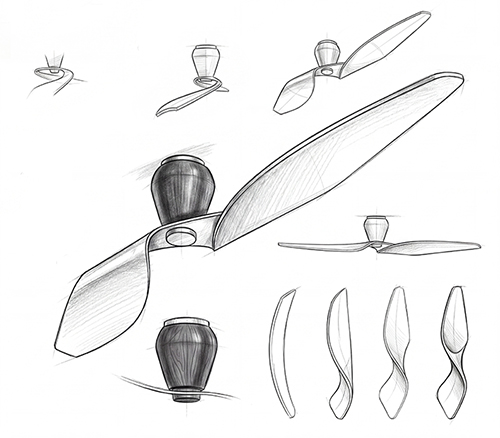
2. Form and Design Direction
Next comes the development of the basic form and proportions. Here, a balance is sought between aesthetics, practicality, and technical logic. At this stage, consideration is given to silhouette, radii, joints, seams, surfaces, ergonomics, and perception.
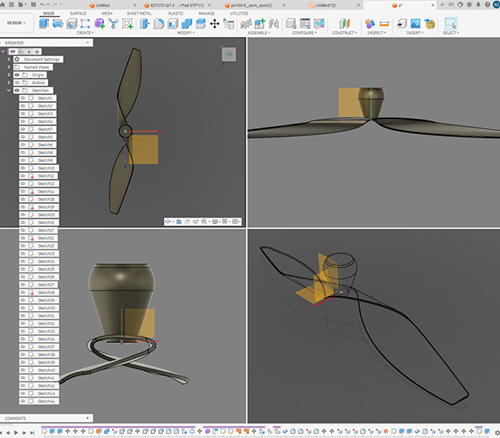
3. 3D Modeling
Once the concept is clarified, the product is developed as a 3D model. This allows for more precise control over the form, dimensions, details, and the relationship between individual elements.
The 3D model can serve both for visualization and presentation, as well as a basis for subsequent prototyping or technical development.
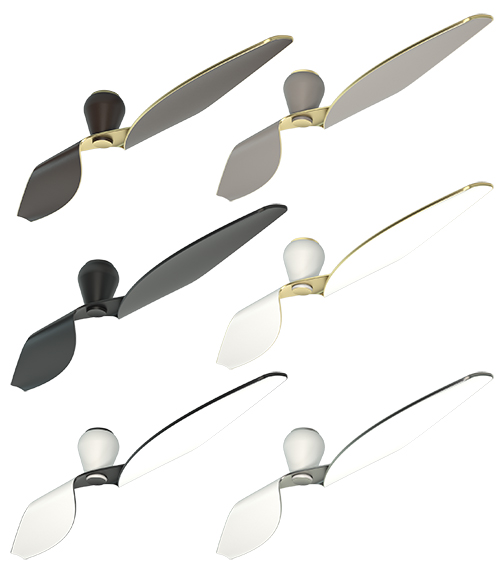
4. Materials and Details
Materials are highly significant for the perception of a product. Surfaces, finishes, colors, textures, joints, and small details can completely alter the sense of quality.
In product design, these decisions are not merely decorative. They influence how the product is used, manufactured, maintained, and perceived by the end customer.

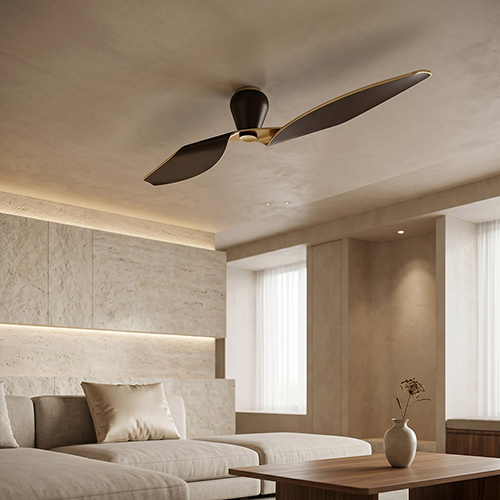
5. Product Visualizations
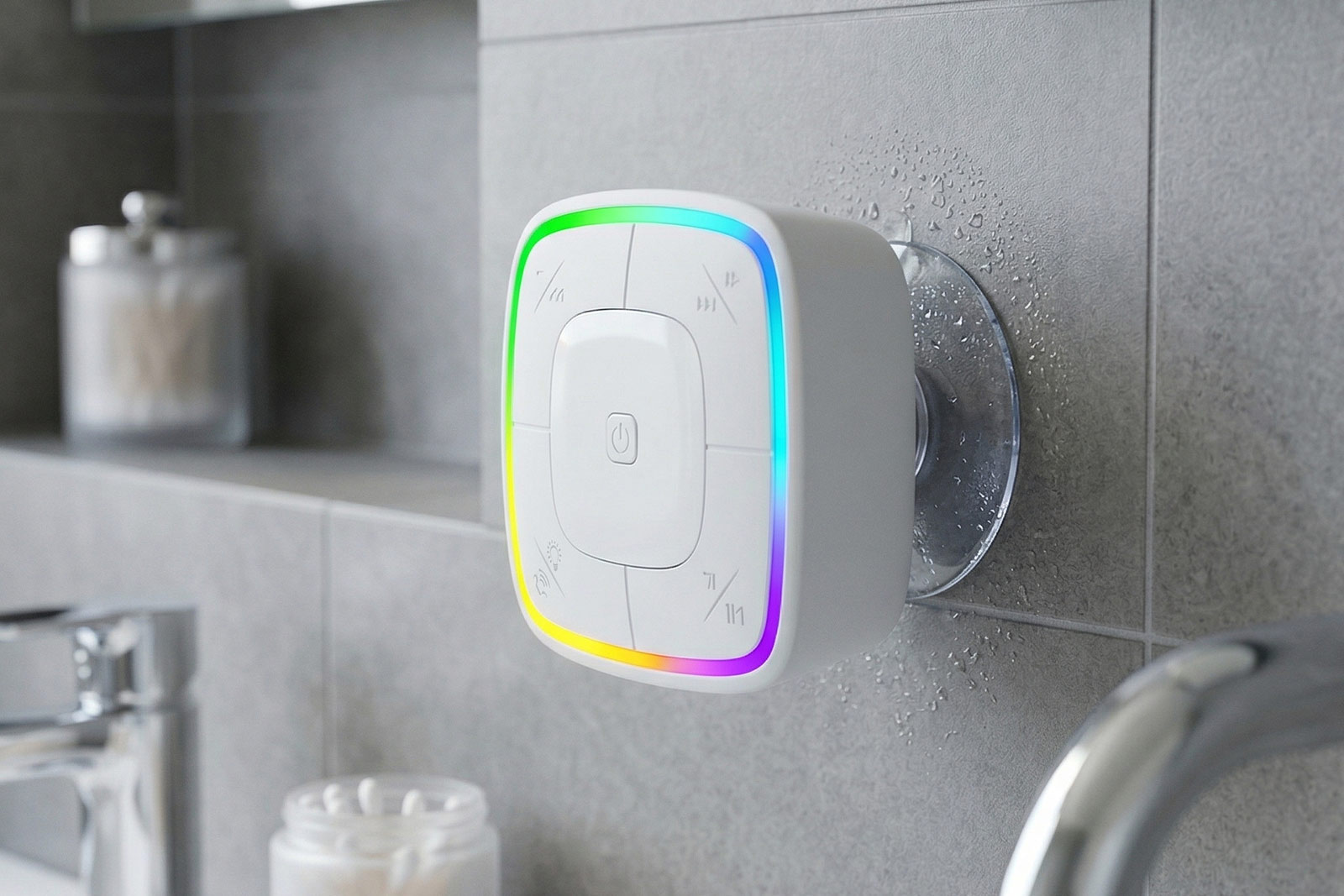
Realistic visualizations show the product in its finished form even before production. They can be used for presentations, investor materials, online stores, catalogs, advertising campaigns, packaging, and preliminary visual testing.
High-quality product visualization doesn't just show the form. It builds a sense of scale, material, function, quality, and trust.
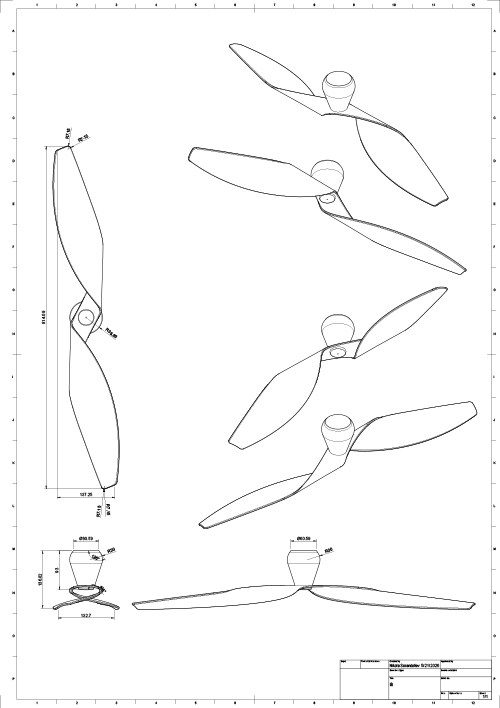
6. Preparation for Prototyping or Production
Once the design is sufficiently developed, the model can be prepared for subsequent technical steps — prototyping, 3D printing, CNC manufacturing, or further engineering development, depending on the specific case.
At this stage, it's important for the design to be not only visually appealing but also logical from the perspective of manufacturing, assembly, materials, and real-world use.
Why are 3D visualizations important in product development?
One of the biggest benefits of 3D visualization is that it makes the idea understandable. A client, investor, manufacturer, or end-user can much more easily evaluate a product when they see it in a realistic form.
Visualization helps in making decisions about form, materials, colors, details, dimensions, product positioning, and presentation style.
This saves time and reduces the risk of errors at a later stage. Instead of creating many physical variations, some decisions can be made in a digital environment.
The Product as a Complete System
When developing a product, it's not enough to think only about the object itself. A real product needs to be presented, explained, packaged, and positioned correctly.
This includes product images, visualizations for a website or online store, packaging, graphic materials, user manuals, technical diagrams, advertising images, and presentation materials.
Therefore, product design is increasingly viewed as a holistic process — from form and function to how the product reaches the end-user.
How does product design help businesses?
A well-developed product creates a stronger first impression. It looks more professional, more complete, and more convincing.
For businesses, this means better presentation to clients, partners, investors, and manufacturers. When an idea is visually and technically clear, it can be more easily evaluated, funded, produced, or launched on the market.
Product and industrial design can be particularly important for companies developing new items, technological products, accessories, packaging, enclosures, specialized components, or products for the international market.
Product and Industrial Design by Instarch Studio
At Instarch Studio, we develop product concepts, 3D models, and realistic visualizations for various types of products. We focus on clear form, functionality, detail, and professional presentation.
Our practical experience includes work on the visual and market preparation of over 300 products, which have gone into production. For these, we have created product images, visualizations for websites and online stores, packaging, graphic materials, user manuals, technical diagrams, and presentation images.
Additionally, we have experience in developing approximately 50 proprietary product designs — from initial concept and form to 3D model, visualization, detail, and preparation for production.
This practical experience helps us view each product as a complete solution. For us, product design doesn't end with a beautiful form. It includes how the product is manufactured, displayed, packaged, explained, and perceived by the end-user.
We develop solutions for product concepts, enclosures, accessories, packaging, consumer products, specialized items, and visual materials for catalogs, websites, instructions, presentations, and investor pitches.
Conclusion
Product and industrial design are an important part of the new product development process. They help an idea be clarified, developed, and presented professionally.
Through 3D modeling, realistic visualizations, and attention to form, function, detail, and market presentation, the product can be seen, evaluated, and improved even before it is manufactured.
Good product design is not just about a beautiful aesthetic. It is the link between an idea, production, communication, and real business value.